If you have looked at a cannabis bag recently and felt like you needed a calculator to understand it, you are not alone. Between the small fonts and the double sets of numbers, Canadian cannabis packaging can feel like a confusing math test. For anyone hunting for the best deals at Weed On A Budget, these quality labels are your most powerful tool for finding maximum value.
When you know how to read cannabis labels Canada requirements, you stop guessing and start buying with confidence. You can avoid the “lung burn” of old, dry weed and find the hard-hitting strains that actually fit your budget. This guide breaks down exactly what those numbers mean and how to spot the best flower on the shelf.
The “Math Homework” Fix: Converting mg/g to Percentages
The biggest source of “math homework” frustration is the switch from percentages to milligrams per gram (mg/g). Years ago, every bag simply said “20% THC.” Now, Health Canada requires producers to list the concentration by weight.
To find the percentage you are used to, use the “Divide by 10” rule.
- If a bag says 180 mg/g, it is 18% THC.
- If a bag says 250 mg/g, it is 25% THC.
- If a bag says 32.5 mg/g, it is 3.25% THC.
This simple decimal shift helps you quickly compare products while browsing. It is the easiest way to make sure you are getting the potency you expect for the price you are paying.
Total THC vs. THC: Which Number Actually Matters?
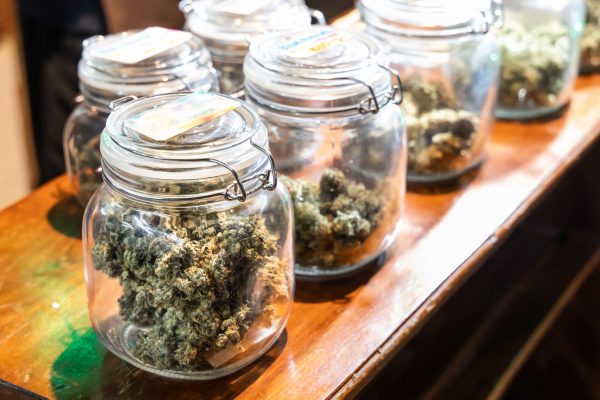
One of the most confusing parts of a Canadian label is seeing two different values for both THC and CBD. You might see “THC” at 5 mg/g and “Total THC” at 200 mg/g on the same bag.
Why There Are Two Different Numbers
The “THC” number represents the active THC in the raw, cold plant. In dried flower, most of the THC is actually stored as THCA, an acidic form that doesn’t get you high until it is heated. This process is called decarboxylation. The “Total THC” number is a mathematical estimate of how much THC will be available to your body once you light that joint or hit the vape.
The 2026 Label Update: What Changed?
As of March 2026, Health Canada updated regulations to make these labels slightly cleaner. While “Total THC” remains the gold standard for potency, producers are now allowed more flexibility in how they display secondary info like QR codes or terpene breakdowns. This means more transparency for you, but it also means you need to look closer at the “Total” value to avoid the “THC Chaser” trap.
How to Read Weed Labels for Terpenes and Flavor
High THC is great, but if your weed smells like hay, you are going to have a bad time. This is where terpenes come in. Terpenes are the essential oils that give cannabis its scent and influence the type of high you experience.
While not mandatory, many high-value brands now list the top three terpenes or a “Total Terpene %” on the label.
- Myrcene: Earthy and musky; usually found in heavy Indicas.
- Limonene: Citrusy and bright; often associated with uplifting Sativas.
- Caryophyllene: Spicy and peppery; great for a functional, balanced high.
If you see a terpene percentage above 2%, you are looking at a very flavorful batch. Anything below 1% might indicate the flower is a bit older or less “loud.” If you find a strain you love, take a photo of the terpene profile so you can find similar ones in the future.
Decoding the Fine Print: Lot Numbers and Dates
The “Mystery Bag” factor usually comes from not knowing how long a product has been sitting in a warehouse. There are two key pieces of data to check here: the Packaged On date and the Lot Number.
The Packaged On date tells you when the weed was sealed in that specific container. It does not tell you when it was harvested. However, for a budget smoker, a date within the last 3 to 4 months is usually a sign of freshness. If the date is over 6 months ago, you might want to check out our tips on rehydrating dry buds.
The Lot Number is the producer’s tracking code. If you find a specific bag of Pink Kush that hits perfectly, write down that lot number. Cannabis is an agricultural product and batches vary. Buying the same lot number is the only way to guarantee the exact same experience twice.
Why the “THC Chaser” Trap Leads to Bad Highs
Many shoppers fall into the trap of only buying the bag with the highest THC percentage. This is known as “THC chasing.” In 2026, we know that a 22% THC strain with high terpenes often feels much stronger and more enjoyable than a “flat” 30% THC strain.
When you only look at the THC number, you miss out on the “entourage effect.” This is the synergy between cannabinoids and terpenes. A well-balanced budget ounce with a diverse terpene profile will give you a smoother smoke and a more layered high than a high-THC “dust” bag that burns your throat. After a session, you might even find yourself reaching for some of the top 30 stoner snacks to level out the experience.
Shopping for Value: Finding Deals Using Label Data
Being a pro at reading labels makes you a better shopper. When you look at our deals page, use your new knowledge to spot the high-value winners.
- Check the Total THC: Ensure it hits your “sweet spot” for potency.
- Look for Terpene Clues: Even if they aren’t listed as a %, look for strain names that hint at flavor (like “Lemon” or “Cake”).
- Watch the Dates: A slightly older bag on a deep discount is a great steal if you know how to refresh the moisture at home.
The label is the only objective piece of information you have before you open the seal. It tells you if the producer is proud of their work or if they are just trying to move a generic batch. By mastering these small details, you ensure that every dollar you spend on budget weed goes toward a premium experience.
FAQs
Why is there no expiry date on my cannabis label?
Health Canada does not require an expiry date unless the producer has stable data to prove exactly when the product loses its potency. Instead, use the “Packaged On” date to judge freshness.
Is 30% THC actually possible for flower?
While some modern genetics can reach 30%, many “budget” brands with these numbers are using the top-tier buds for testing. Always look at the terpene content to see if the high THC is backed by real plant quality.
What does “Total CBD” mean?
Just like THC, Total CBD is the amount of CBD available after you heat the product. If you want a non-psychoactive experience, look for a “Total CBD” that is much higher than the “Total THC.”
What should I do if the label is missing?
In Canada, it is illegal to sell cannabis without a compliant label and a provincial excise stamp. If your bag is missing this info, it is not a legal product and hasn’t been lab-tested for safety.