
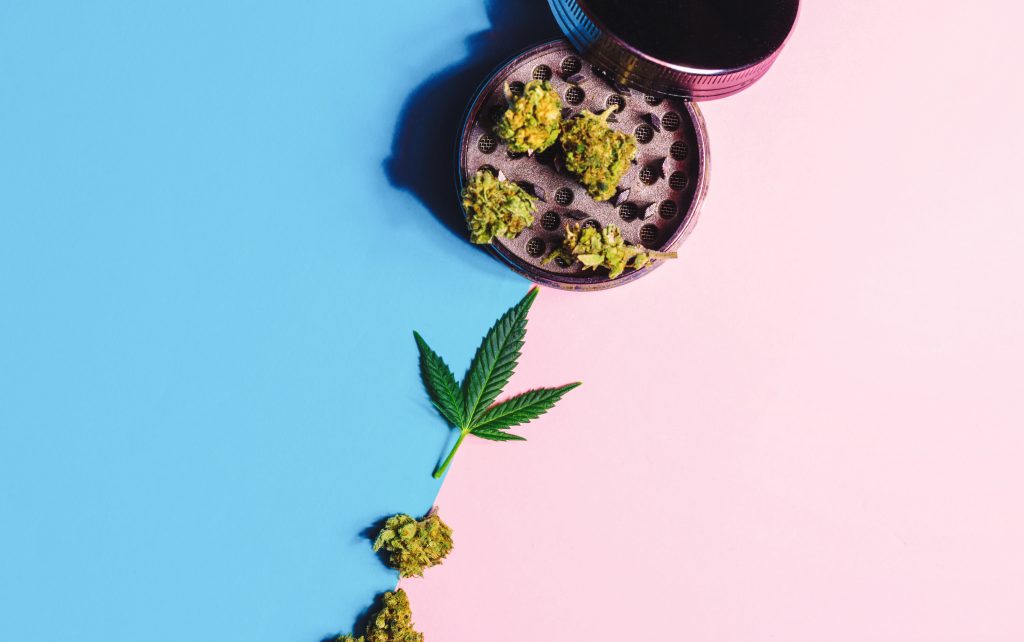
If a joint keeps burning down one side, a bowl feels harsher than expected, or relights happen every few minutes, it’s easy to blame the strain. Sometimes it is the strain. Often, it’s preparation.
Grind size plays a bigger role than most people realize. The way cannabis is broken down affects airflow, heat, and how evenly it burns. When the grind matches the method, sessions usually feel smoother and flower tends to last longer.
Why People Search for Weed Grinder Tips
Most searches around grinder tips come from a simple frustration: something feels off.
Common issues include:
- Joints canoeing or burning unevenly
- Smoke feeling hotter or scratchier than expected
- Flower disappearing faster than planned
The good news is that grind consistency is one of the easiest variables to control. No advanced gear is required, just small adjustments that add up quickly.
How to Grind Weed Properly for Different Methods
There is no universal “perfect” grind. Knowing which texture works best for each method can change the entire experience.

The Sweet Spot for Joints
Joints usually perform best with a medium, even grind.
Too fine and airflow can tighten, creating hotter smoke and faster burn spots.
Too coarse and larger pieces may ignite unevenly, leading to canoeing.
Signs the grind is close to ideal:
- The texture looks uniform rather than dusty or chunky
- Packing feels natural without force
- The joint stays lit without constant attention
Uneven particle sizes are widely recognized as a common cause of side-burning because different sizes combust at different speeds. Consistency matters more than brand or price.
The Best Grind for Bowls and Pipes
Bowls often benefit from a slightly coarser grind.
This allows air to move through the packed material more comfortably. When cannabis is ground too fine and packed tightly, airflow can restrict, leading to harder pulls and hotter smoke.
A simple approach works well:
- Keep the texture fluffy rather than powdery
- Pack gently instead of pressing firmly
- Test airflow before lighting
A Quick Note on Vaporizers
Dry herb vaporizers often prefer a finer, even grind because surface area helps heat distribute consistently. The exact texture can vary by device, but consistency remains the key factor.
Why Grind Size Changes How a Session Feels
Grind size influences three main elements: airflow, burn speed, and harshness.
Airflow and Heat
Airflow controls temperature more than many expect.
Restricted airflow often leads to harder pulls. Harder pulls can raise heat levels, which may feel sharper on the throat. When airflow is steady, smoke temperature tends to feel more manageable.

Burn Speed and Relights
Particle size also affects surface area.
Smaller particles burn faster. Larger pieces burn slower and can leave unlit pockets. When a mix of both exists, uneven burn lines are more likely. Industry discussions around pre-roll quality often link canoeing back to inconsistent grind textures.
Harshness and Taste
Harshness is not only about potency.
It can also come from excessive heat, tight packing, or dirty equipment. A consistent grind can improve taste simply because the burn remains steadier and less overheated.
Fixing Uneven Burns Without Wasting More Flower
When a side-burn starts mid-session, the joint doesn’t need to be discarded.
Quick adjustments often help:
- Slow the pace of each draw
- Rotate slightly while lighting
- Touch up the lagging edge gently rather than blasting it with flame
Prevention remains more effective than repair. Even grinding and gentle packing reduce the need for relights, which protects both flavour and flower.
Budget-Friendly Grinder Habits That Actually Help
Improving grind quality rarely requires expensive equipment. Small habits can make a noticeable difference.
Helpful practices include:
- Avoid overfilling the grinder chamber
- Break dense buds into smaller chunks by hand first
- Clean teeth and threads regularly to prevent buildup
- Tap lightly instead of shaking aggressively
A quick brush or wipe keeps the grinder producing more uniform particles. Uniform particles lead to steadier burns and fewer wasted sessions.
When the Grind Is Right but the Smoke Still Feels Rough
Sometimes the grind is perfect and the smoke still feels harsh. Other factors may be involved:
- Flower that is overly dry
- Packing that is too tight
- Resin buildup reducing airflow
- Rapid, repeated draws overheating the cherry
Broader discussions about cannabis quality often highlight genetics and cultivation practices alongside preparation. A recent Cannabis Now feature connected to Ed Rosenthal’s work offers an interesting perspective on what contributes to a “high quality” experience overall:
https://cannabisnow.com/high-quality-strains-for-hobbyist-growers/
Preparation and product quality work together. Adjusting one without considering the other can limit results.
Pair Better Prep With Smarter Buying (CTA)
Once grind and packing techniques become consistent, value becomes easier to judge. Sessions feel more predictable, and flower tends to stretch further.
To build a balanced approach:
- Browse flower options based on preference and budget:
https://weedonbudget.com/shop/flower/ - Compare ounce deals to lower cost per gram when planning ahead:
https://weedonbudget.com/deals/cheapest-oz/
Better preparation combined with smarter purchasing forms a practical strategy for getting more from each purchase.
Final Thoughts
Grind size is not a minor detail. It is one of the simplest ways to reduce harsh hits, prevent uneven burns, and make cannabis last longer. Matching texture to method and keeping equipment clean can noticeably improve comfort and consistency without increasing spending.
FAQs
What grind size works best for joints?
A medium, even grind usually provides the most stable burn and airflow balance.
Why does a joint canoe even when rolled tightly?
Uneven particle sizes often cause different burn speeds across the paper, leading to side-burning.
Is a fine grind harsher?
It can be if airflow becomes restricted and heat increases as a result.
Do expensive grinders make a big difference?
Not always. Consistency and cleanliness matter more than price.
How can waste be reduced while grinding?
Grinding smaller batches and keeping surfaces clean helps prevent loss.